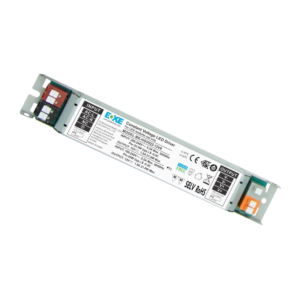
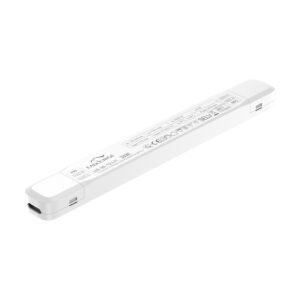
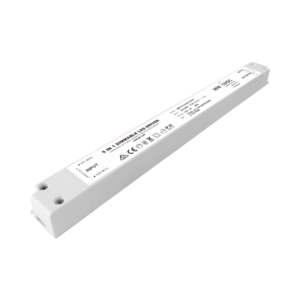
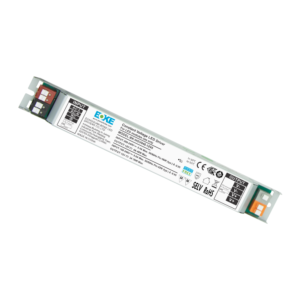
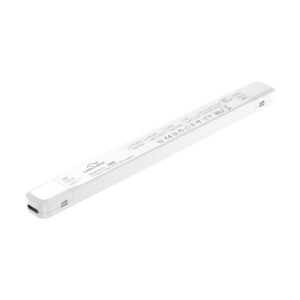
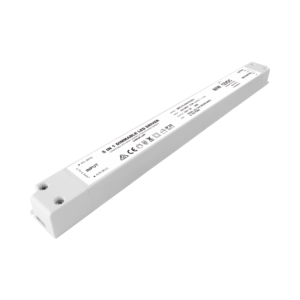
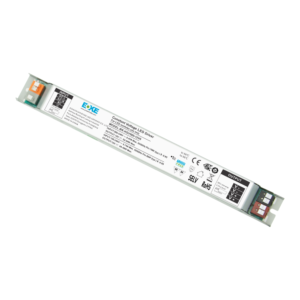
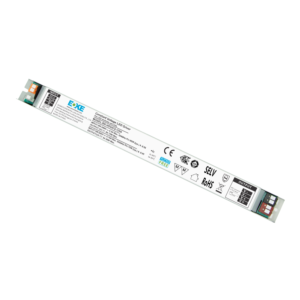
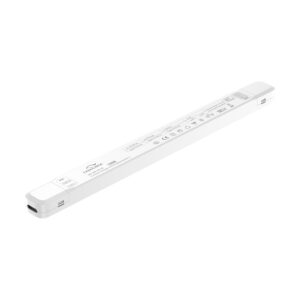
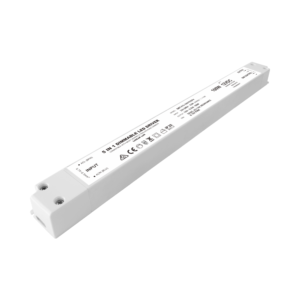
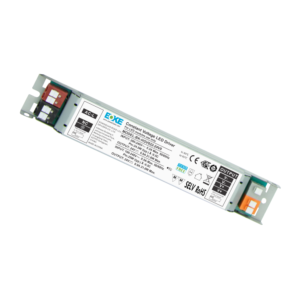
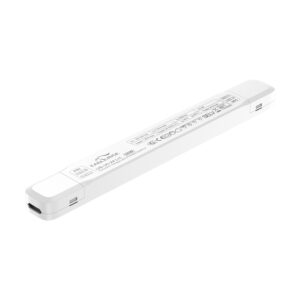
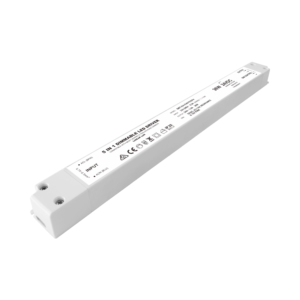
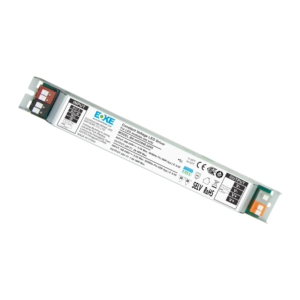
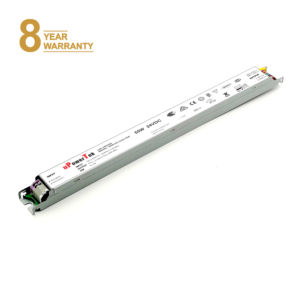
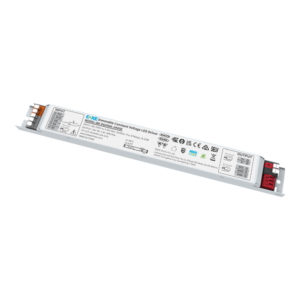
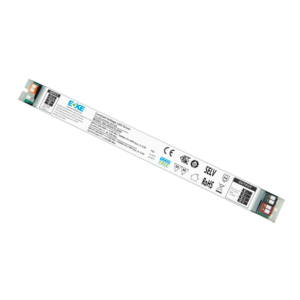
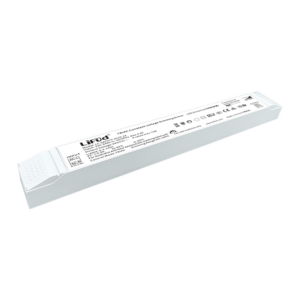
SLIMLINE & LINEAR LED DRIVERS

Choose a slimline LED driver

Compare narrow linear LED drivers by output type, wattage, current, dimming method and brand for constrained luminaire spaces.

1

Match the output

Use constant voltage for LED strip and constant current only where the luminaire specifies it.

2

Check the operating limits

Allow headroom for constant-voltage strip. For constant current, check the voltage range and maximum power at the chosen current.

3

Match control and IP

Choose the required dimming method and environmental protection for the installation.

NARROW THE RANGE

Find the right LED driver

Power bands describe maximum output, not minimum load. For constant current, choose a current to see its power and voltage limits. A larger-rated driver may still suit a smaller load.

Slimline LED Drivers

0 products match the current filters.

Showing 0 of 0 matching drivers

LED DRIVER SELECTION GUIDE

Match the electrical output before comparing features

An LED driver must suit the connected load electrically and environmentally. Begin with constant-voltage or constant-current operation, then confirm output, capacity, dimming compatibility, installation conditions and any required approvals for the project.

Constant voltage or constant current?

LED strip normally uses a constant-voltage supply such as 12V, 24V, 36V or 48V. A constant-current luminaire requires the specified current range and compatible output voltage. These driver types are not interchangeable.

Calculate the connected load

For LED strip, multiply watts per metre by the total installed length and include every connected section. Select a driver with approximately 20% spare capacity unless the product or project requires a larger allowance.

Match the dimming system

Non-dimmable, phase-cut, DALI, Push, 0/1-10V and Casambi products use different control methods. The driver, controller and project control system must use compatible interfaces.

Check the installation environment

Indoor-only drivers require appropriate protection from moisture and weather. For exposed or demanding locations, choose a driver with a suitable environmental rating and install it according to its instructions.

Consider cable and voltage drop

Long low-voltage cable runs can reduce the voltage delivered to the lighting. Cable length, conductor size, load and feed arrangement should be considered as part of the complete system design.

Confirm electrical installation requirements

Use the manufacturer documentation and applicable project requirements. Mains-voltage wiring and other prescribed electrical work must be completed by an appropriately licensed person.

COMMON QUESTIONS

LED driver FAQs

Do I need a constant-voltage or constant-current LED driver?

LED strip normally uses a constant-voltage driver. A constant-current luminaire must use the current and voltage range stated by its manufacturer. Constant-voltage and constant-current drivers are not interchangeable.

How do I calculate the required LED driver wattage?

Add the complete connected load. For LED strip, multiply watts per metre by the total installed length, then select a compatible driver with approximately 20 percent spare capacity unless a larger allowance is required.

Can I use an LED driver with a higher wattage rating?

A driver can have more capacity than the connected load when its output type and voltage are correct and the load remains within its specified operating range. Check minimum-load and dimming requirements in the driver documentation.

What makes an LED driver dimmable?

The driver must explicitly support the project control method, such as phase-cut, DALI, Push, 0/1-10V or Casambi. The controller, driver and lighting load must all be electrically compatible.

Can an indoor LED driver be installed outdoors?

An indoor-only driver must not be left exposed to weather or moisture. Use a suitably rated driver or an appropriate protected enclosure and follow the manufacturer installation requirements.

Does the LED driver voltage have to match the light?

Yes. A constant-voltage load must use its specified supply voltage, such as 12V or 24V. A mismatched voltage can prevent correct operation or damage the connected lighting.