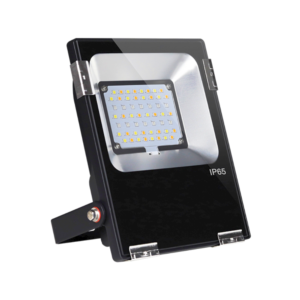
OUTDOOR LIGHTING

Choose the right outdoor LED lighting

Compare floodlights, inground and deck lights, pathway and step lights, bollards, garden lights and wall washers using the voltage, light colour, control method and power required by the project.

1

Choose the application

Start with the lighting effect and mounting location: flood, pathway, inground, garden, wall or bollard.

2

Match the electrical system

Confirm voltage, wattage, driver capacity and whether fixed white or colour control is required.

3

Check the installation

Allow for drainage, weatherproof connections, suitable cabling and professional installation where required.

NARROW THE RANGE

Find the right outdoor light

Outdoor lighting range

0 products match the current filters.

Prices and stock are shown live from WooCommerce.
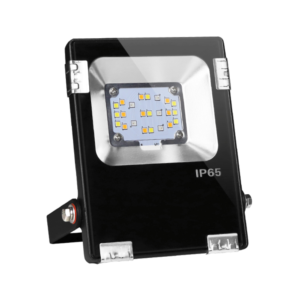
OUTDOOR LIGHTING SELECTION GUIDE

Match the fitting, power system and installation environment

Reliable outdoor lighting comes from selecting the complete system, not only the fitting. Use the application, voltage, driver, cabling, control method and site conditions together before ordering.

01

Choose the lighting task

Start with the required effect: broad flood lighting, landscape accent, path or step guidance, inground uplighting, wall washing or bollard illumination.

02

Check the supply voltage

Match every fitting to its stated 12V, 24V, 48V or 240V supply arrangement. Low-voltage and mains-powered products are not interchangeable.

03

Size drivers and cabling

Total the connected load and allow suitable headroom. Floodlight drivers should generally have approximately 30% headroom; also account for cable length and voltage drop.

04

Verify the environment

Check the fitting and complete installation for rain, irrigation, heat, salt, chemicals and other site exposure. Select the IP rating for the actual location.

05

Plan drainage and joins

Keep water away from connections and cable entries. Inground and deck installations need suitable drainage; an IP rating is not a substitute for correct site preparation.

06

Coordinate controls and zones

Choose fixed output, RF, Zigbee or DMX as a compatible system. Group smart outdoor fittings into practical zones and add a gateway where supported app control is required.

BUILD THE COMPLETE SYSTEM

Continue with the right family and components

OUTDOOR LIGHTING FAQ

Common outdoor lighting questions

What voltage should I choose for outdoor LED lighting?

Use the exact voltage stated for the selected fitting. Low-voltage 12V, 24V and 48V products can be useful for landscape zones but require a compatible power supply, while 240V products require an appropriate mains installation. These supply arrangements are not interchangeable.

Do low-voltage outdoor lights need an LED driver?

Yes. A low-voltage outdoor fitting requires a compatible constant-voltage driver that matches its stated voltage, total connected load and installation environment. The driver and all connections must be protected appropriately for their location.

How do I size a driver for outdoor lights?

Add the wattage of every fitting connected to the driver and select suitable spare capacity. Allow approximately 30 percent headroom for low-voltage floodlights because startup inrush can be high; follow the product and driver requirements for other fittings and account for cable voltage drop.

Is an IP rating enough for an outdoor installation?

No. The IP rating applies under defined test conditions and is only one part of the installation. Joins, cables, cable entries, drainage, enclosures and exposure to salt, chemicals or heat must also be suitable for the actual site.

Why is drainage important for inground and deck lights?

Suitable drainage helps prevent standing water around the fitting, cable entries and connections. Follow the product installation requirements and prepare the site correctly; an IP rating is not a substitute for drainage.

Can smart floodlights, garden lights and wall washers work together?

Yes, when the fittings use a compatible control ecosystem and lighting type. They can be arranged into practical zones for coordinated scenes, and a compatible gateway can add app control when that function is supported.